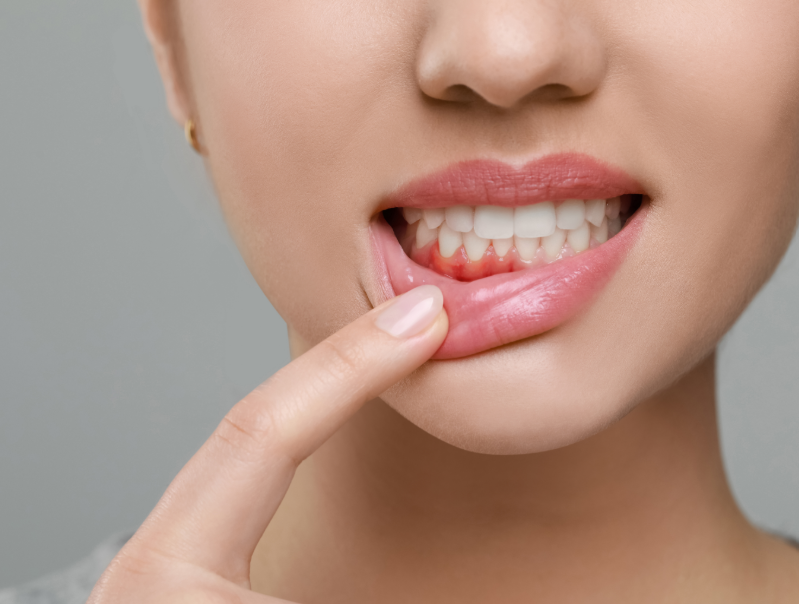
Gingivitis is one of the most common forms of gum disease, so you might wonder whether you can catch it from someone else. After all, harmful bacteria in the mouth play an important role in the development of gingivitis. If those bacteria can be transferred through saliva, does that mean gum disease is contagious?
The answer is a little more complicated than a simple yes or no. While you can’t “catch” gingivitis like you would catch a cold, certain bacteria associated with gum disease can be transferred between people through saliva. Your own oral hygiene and risk factors play a major role in determining whether that exposure actually leads to gum disease.
How Can Gum Disease Bacteria Spread?
Saliva can be exchanged during activities such as kissing or sharing utensils, cups, or other items that have been in someone’s mouth. This can potentially expose you to bacteria associated with gum disease.
However, exposure to these bacteria doesn’t automatically mean you’ll develop gingivitis. Your mouth already contains hundreds of types of bacteria, and your oral health depends on the balance between those microorganisms, your hygiene habits, and other factors.
Someone with excellent oral hygiene may be exposed to bacteria without developing gum disease. On the other hand, frequent plaque buildup can give harmful bacteria an opportunity to contribute to inflammation along the gumline.
Does Kissing Cause Gingivitis?
Kissing someone who has gingivitis doesn’t mean you’ll automatically develop the condition. Saliva can transfer oral bacteria, but gingivitis is primarily associated with plaque accumulation and inflammation rather than a single exposure.
If you share saliva with someone who has gum disease, maintaining good oral hygiene becomes especially important. Brushing twice a day, cleaning between your teeth daily, and keeping up with dental checkups can help reduce plaque and protect your gums.
In other words, you don’t need to avoid affection because someone has gingivitis. Instead, focus on maintaining your own oral health.
What Increases Your Risk?
Several factors can make you more susceptible to gingivitis. Poor oral hygiene is one of the biggest contributors because plaque that isn’t removed can irritate your gums.
Smoking or tobacco use, hormonal changes, certain medications, genetics, and some health conditions can also affect your risk of developing gum disease.
If your gums are frequently red, swollen, tender, or bleeding when you brush or floss, don’t assume the problem will go away on its own. These can be warning signs of gingivitis.
Can Gingivitis Be Prevented?
You can take several simple steps to protect your gums. Brush your teeth twice a day using fluoride toothpaste, clean between your teeth daily, and visit your dentist regularly for professional examinations and cleanings.
A balanced diet and avoiding tobacco can also support your oral health. If you notice changes in your gums, mention them to your dental provider rather than waiting for symptoms to become more severe.
The earlier gum inflammation is identified, the easier it may be to manage.
When Should You See a Dentist?
Bleeding gums aren’t something you should simply accept as normal. If your gums consistently bleed, swell, recede, or feel tender, schedule an appointment for an evaluation.
And if someone close to you has gum disease, don’t panic about catching it. While oral bacteria can be shared through saliva, your everyday oral hygiene habits are an important part of determining whether those bacteria cause problems.
Healthy habits can help keep your gums healthy, regardless of what bacteria you encounter.
About the Practice
Cityline Dental Center provides comprehensive dental care, including evaluation and treatment for gum disease. Dr. Stampe and Dr. Gater emphasize preventive care and personalized treatment to help patients maintain healthy teeth and gums. Its dental team works with patients to identify signs of gum disease and develop appropriate strategies for improving and maintaining their oral health.
Call us at (972) 231-9499 or schedule your appointment online.