Gum Disease Treatment – Richardson, TX
Stop the Progression of Gum Disease

Oral issues don’t usually resolve on their own, and unfortunately, gum disease is no exception. Although the earliest stage, gingivitis, can sometimes be halted or reversed by improving your at-home dental hygiene routine, once your condition reaches more advanced stages, it requires treatment to manage.
Our team is happy to help stop the progression of gum disease by providing various services tailored to your unique needs. Continue reading to learn more about the services we offer and when they might be required, and please contact us for additional information.
Why Choose Cityline Dental Center for Gum Disease Treatment?
- Providers With 30+ Years of Experience
- Members of the American Dental Association
- Advanced Technology for Enhanced Accuracy
What is Gum Disease?

Your mouth is full of bacteria, and while some are helpful and aid with necessary processes, such as digestion, others contribute to oral issues, like gum disease. If plaque forms along your gums and germs penetrate the tissues, it can cause an infection that starts out small, but often goes unnoticed and progresses to more advanced stages.
Gingivitis, the earliest stage, is incredibly common and can sometimes be addressed by flossing more consistently every morning and night. However, if it reaches its advanced stage, known as periodontitis, it can sometimes be managed but not always cured. That means addressing potential gum disease early can help protect your dental health long-term.
Symptoms of Gum Disease

You might think your mouth is healthy if you haven’t noticed any obvious issues, but the truth is that gum disease often starts small and doesn’t always show symptoms until it progresses.
The following signs might indicate the presence of gingivitis:
- Halitosis, or chronic bad breath.
- Red or swollen connective tissues.
- Bleeding when you brush and floss.
- Tenderness or sensitivity.
- Dark coloration of the gum tissues.
- Early recession (pulling away from the enamel)
If your condition has progressed to periodontitis, you might experience the following:
- Sensitivity caused by receding gums.
- Pain when biting down or chewing.
- Change in your bite alignment.
- Ill-fitting restorations, such as dentures.
- Permanent tooth loss.
The Importance of Treating Gum Disease
Addressing gum problems sooner rather than later can prevent more serious dental concerns, as well as other health concerns. For example, studies have linked periodontal issues with other conditions, such as heart disease, stroke, diabetes, certain cancers, and more.
Our team is happy to provide multiple services to help address periodontal problems and prevent them from recurring. Once we’ve examined your teeth and gums, we can provide a customized treatment plan based on our findings to meet your unique needs. Depending on your current condition, we might recommend one of the following:
Scaling & Root Planing
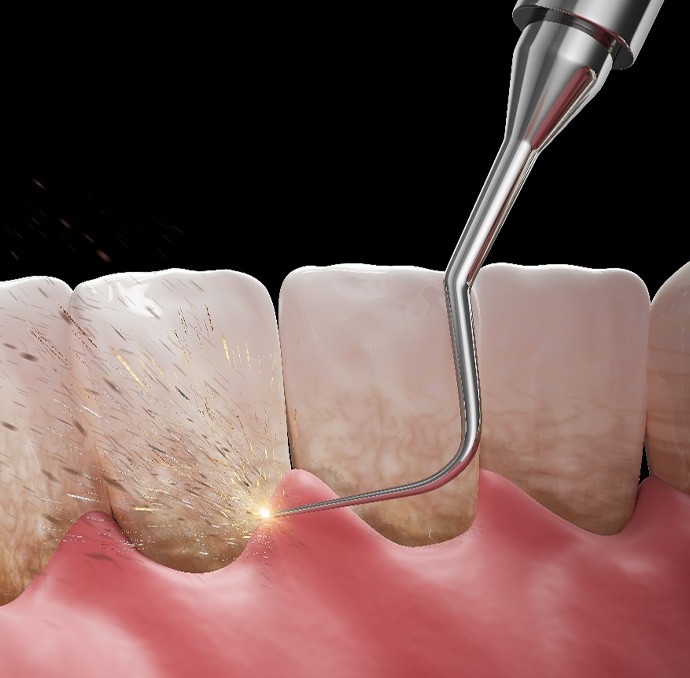
This deep cleaning procedure typically requires two separate visits. At your first appointment, we’ll carefully clear away any plaque, tartar, or residue along your gums and between your teeth using specialized dental instruments. We will also clean deeply in the pockets of your gums to remove any hidden bacteria that might cause additional disease.
Then, at once your connective tissues have had time to recover, we’ll schedule another visit to gently smooth your enamel to prevent additional deposits from forming and encourage the tissues to reconnect with the outermost surface of your teeth.
Do I Need Scaling & Root Planing?

To determine whether or not scaling and root planing is right for you, we first need to complete an examination of your gums. X-rays are also taken to collect as much information as we can. Depending on the current state of your gum tissue, the depth of the pockets, and the progress of your gum disease, we might recommend scaling and root planing to keep your gum disease under control.
The Process of Scaling & Root Planing
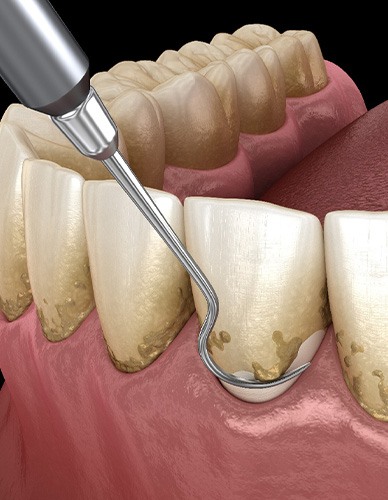
The complete scaling and root planing process is usually completed over the course of two appointments, but this can vary from patient to patient. To remove plaque and tartar, we begin by scaling the teeth with dental tools. We will target he gumline and beneath the gumline where plaque, tartar, and bacteria build up.
After the scaling portion is complete, we will move on to the root planing portion of the treatment. This is when we smooth down sections of the teeth beneath the gumline. This helps the gums to adhere to the teeth, speeding up the healing process by making it more challenging for bacteria to build up in the future.
Aftercare Tips for Scaling & Root Planing

It is normal for the gums to feel a little bit sore after scaling and root planing. There may also be some inflammation in those areas. This is temporary and should subside over the next few weeks. Here are some tips to help the healing process so as smoothly as possible.
- Brush twice per day with a soft-bristled toothbrush and fluoridated toothpaste
- Rinse your mouth with saltwater after meals
- Floss daily
- Stick to a soft diet following your treatment
- Avoid foods and beverages that are spicy, acidic, and hot
Periodontal Maintenance
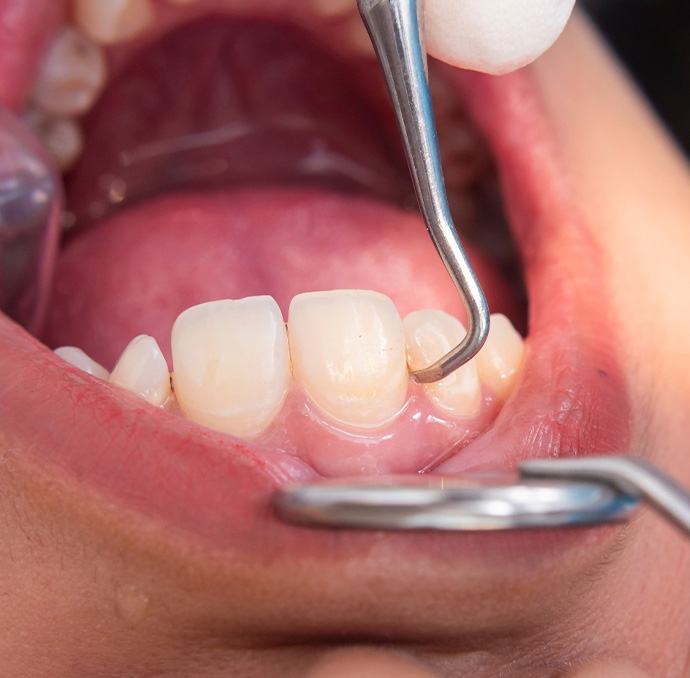
This approach involves more regular, thorough cleanings and ongoing monitoring of your condition. This allows our team to help manage your oral bacteria to optimize your gum health over the long term. For instance, instead of scheduling a routine exam and cleaning every 6 months, our team might recommend periodontal maintenance appointments every 3 to 4 months.