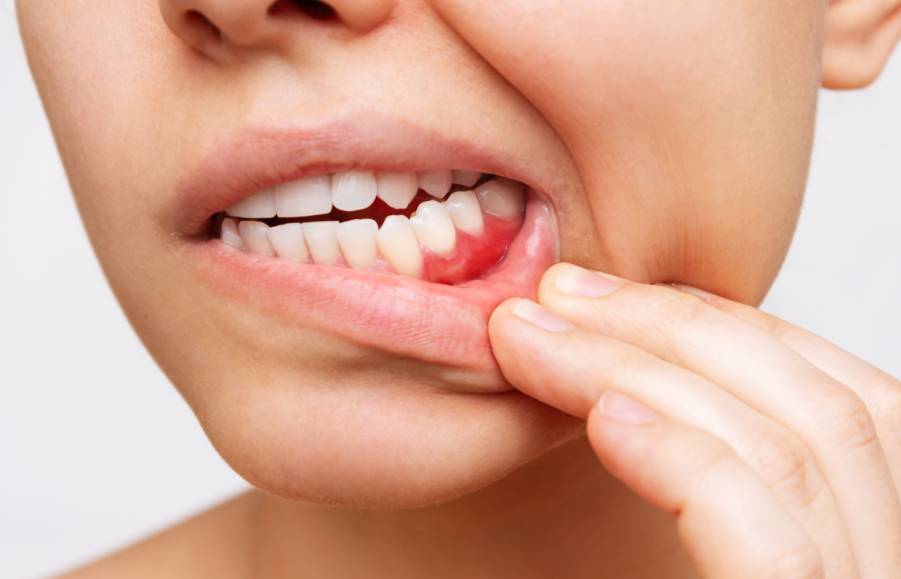
Noticing that your teeth look a little longer than they used to can be surprising—and often a bit concerning. In many cases, this change is caused by gum recession, where the gum tissue gradually pulls away from the teeth and exposes more of the tooth surface or even the root.
Gum recession is more than just a cosmetic issue. It can be a sign of underlying oral health concerns, and it’s important to understand what may be causing it so you can take steps to prevent it from progressing.
Gum Disease and Inflammation
One of the most common causes of receding gums is periodontal (gum) disease.
When plaque and bacteria build up along the gumline, they can lead to inflammation. In the early stage, this is known as gingivitis. If left untreated, it can progress into more advanced periodontal disease, where the infection begins to damage the gum tissue and supporting bone.
As the gums weaken and pull away from the teeth, recession can occur. Over time, this can lead to sensitivity, loose teeth, and increased risk of tooth loss if not properly managed.
Aggressive Brushing Habits
While brushing your teeth is essential, technique matters more than pressure.
Brushing too hard or using a hard-bristled toothbrush can gradually wear down gum tissue. Instead of helping your oral health, this aggressive brushing can contribute to gum recession, especially along the front teeth where pressure is often greatest.
A soft-bristled toothbrush and gentle, circular brushing motions are typically recommended to protect both enamel and gums.
Poor Oral Hygiene
Inconsistent brushing and flossing can allow plaque to build up along the gumline, increasing the risk of gum disease and recession.
When bacteria remain on the teeth and gums for extended periods, they irritate the tissue and trigger inflammation. Over time, this chronic irritation can cause the gums to slowly pull back from the teeth.
Maintaining a consistent oral hygiene routine is one of the simplest and most effective ways to prevent gum recession.
Teeth Grinding and Clenching
Chronic teeth grinding or clenching (often called bruxism) can place excessive force on the teeth and surrounding structures.
This pressure can gradually contribute to gum recession, particularly when combined with other risk factors like misaligned teeth or thin gum tissue. Many people grind their teeth at night without realizing it, which makes regular dental checkups especially important for early detection.
Genetics and Other Contributing Factors
Some people are naturally more prone to gum recession due to genetics, even if they maintain good oral hygiene.
Other contributing factors can include hormonal changes, tobacco use, misaligned teeth, or previous dental treatments. In many cases, gum recession develops gradually over time, making it easy to overlook until it becomes more noticeable.
Why Early Treatment Matters
If gum recession is linked to gum disease, early treatment is key to preventing further damage. Addressing inflammation and controlling bacterial buildup can help stabilize the gums and protect the underlying bone structure.
The sooner gum recession is evaluated, the more options there are to manage it and reduce the risk of long-term complications.
Healthy gums are essential to a strong foundation for your teeth, and paying attention to early signs can make a meaningful difference in your overall oral health.
About the Practice
CityLine Dental Center provides comprehensive dental care focused on prevention, diagnosis, and treatment of gum disease and other oral health conditions. Dr. Stampe and Dr. Gater emphasize early intervention and patient education to help individuals maintain healthy gums, strong teeth, and long-term oral wellness through personalized treatment plans.
Call us at (972) 231-9499 or schedule your appointment online.